 Team Bull Trading
The expensive false belief here is: a high average rating means bad-fit buyers do not matter. That belief makes buyers lazy. They see 4.7, feel safe, and ignore the people who did not have a good experience.
The better belief is: negative reviews are a pre-mortem. They help you identify expectations that could make the product wrong for you before you pay. The named mechanism is the negative review pre-mortem.
Visible rating facts at research time: Team Bull Trading shows a 4.7 rating from 474 ratings. The visible split includes 87% five-star and 5% one-star, plus 4% four-star, 2% three-star, and 0.8% two-star. The one-star slice does not cancel the positive majority. It gives the buyer a risk lens.
Visible offer facts: Jdun monthly is listed at $99/month, Jdun yearly at $999/year, and Grizzly at $99/month.
Trading involves risk. Complaints and reviews are research inputs, not proof of your future outcome.
Table of contents
- Why complaints matter
- What not to assume
- The 5% one-star signal
- Bad-fit expectations
- Monthly first logic
- Questions before buying
- How to use complaints fairly
- How this protects the CTA
- FAQ
- Final decision rule
Why complaints matter

Complaints matter because they show where expectation can break.
A review page with only praise is easy to sell from and hard to trust. Real products have friction. People misunderstand them, misuse them, dislike them, outgrow them, fail to fit them, or sometimes have legitimate criticisms. Trading products have even more friction because buyers arrive with money, emotion, hope, and fear attached.
A complaint does not automatically prove the product is bad. It does not automatically prove the buyer was wrong either. It proves there is something to inspect.
For a trading community, complaints are especially useful because they force better questions:
- Did the buyer expect signals instead of education?
- Did they expect outcomes instead of process?
- Did they use the room consistently?
- Did the style fail to fit them?
- Did the offer fail to meet their expectation?
- Would I share that same expectation?
The public rating split does not answer those questions. It tells you the questions are worth asking.
Related reading: Team Bull Trading Ratings: What a 4.7 From 474 Reviews Actually Signals; Team Bull Trading Review: What You Actually Get Before Joining.
What not to assume

Do not assume every complaint is fair.
Do not assume every complaint is unfair.
Do not assume the positive majority makes negative ratings irrelevant.
Do not assume the negative slice proves the product is dangerous.
The honest position is slower: the visible one-star share is a buyer-fit warning. It tells you that some people were unhappy enough to rate poorly. Without reading every current review in context, you should not invent specific causes.
This matters for copy quality. Bad affiliate copy uses complaints in one of two lazy ways. It either hides them or weaponizes them. Hiding complaints makes the article feel like an ad. Weaponizing complaints makes the article feel like fear bait.
The better move is to use complaints as a pre-mortem. A pre-mortem asks, “If this goes wrong for me, why?” That question is worth more than fake certainty.
The 5% one-star signal
The visible 5% one-star signal is small relative to the five-star majority, but it is not meaningless.
In a trading community, a one-star review can come from many situations. The buyer may have expected trade copying. The room may not have fit their schedule. The teaching style may not have worked for them. They may have misunderstood the offer. They may have had a real service issue. They may have joined while emotionally desperate. They may have wanted an outcome no room should promise.
Again, do not invent the cause. Use the signal.
The signal says: this is not for everyone.
That is useful. A product that is not for everyone can still be good. In fact, honest fit boundaries usually make a product easier to evaluate. The wrong buyer should be pushed away before paying.
If you see the one-star slice and feel defensive on behalf of the product, slow down. If you see it and panic, slow down. The useful response is curiosity.
Bad-fit expectations

The worst-fit expectation is guaranteed outcome.
No live trading room should be bought with that expectation. If you are buying because you want someone to make trading feel certain, you are likely to be disappointed. The room may offer education, live context, community, and discipline reinforcement. It cannot make the market safe.
Other bad-fit expectations:
- “I will copy trades.”
- “I will not need my own risk plan.”
- “The room will fix my discipline.”
- “The subscription will pay for itself quickly.”
- “A high rating means I cannot be disappointed.”
- “Yearly will force me to use it.”
Those expectations turn normal caveats into complaints.
The product may still fail some buyers for legitimate reasons. But before judging the product, judge the expectation. If your expectation is wrong, even a good product can become a bad purchase.
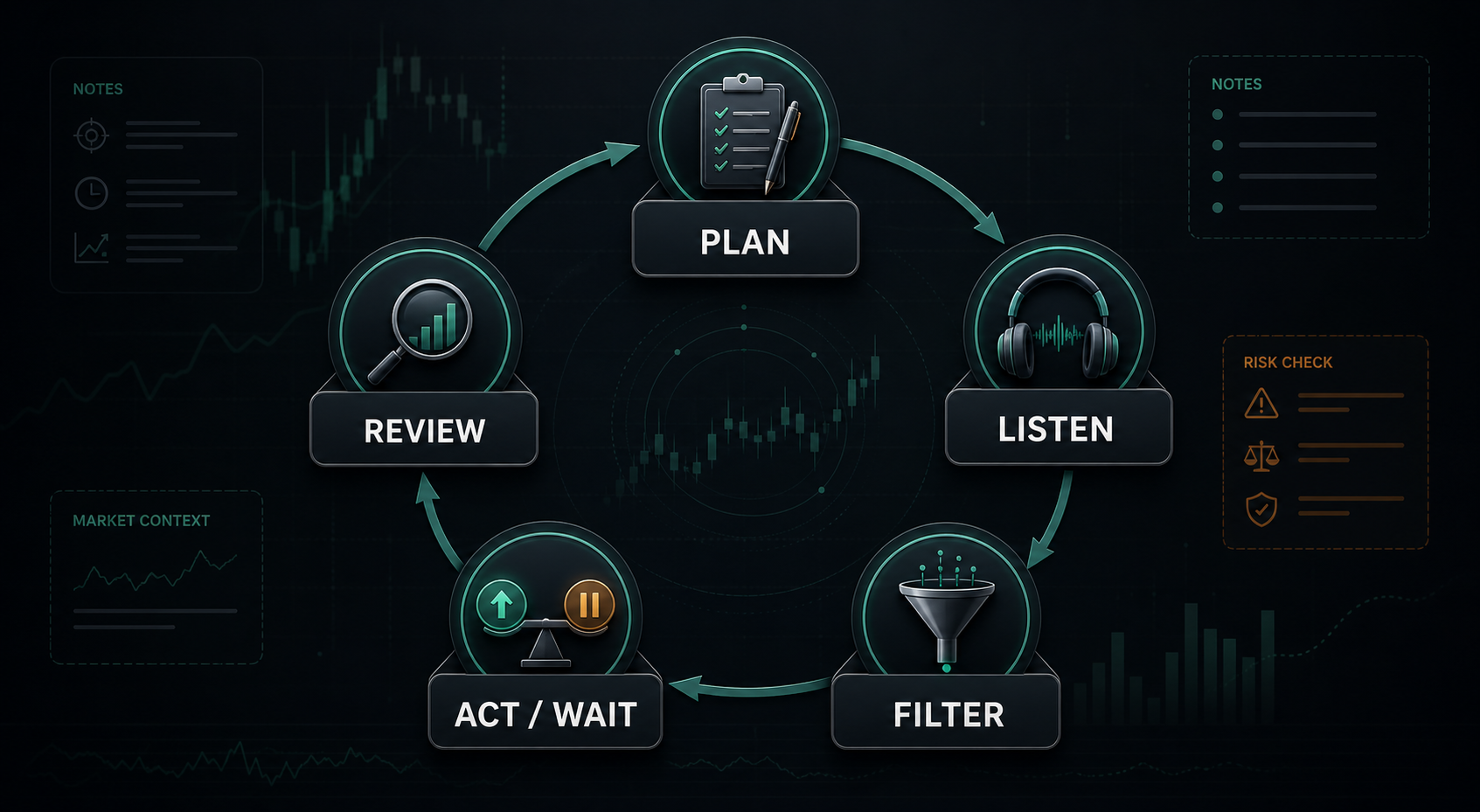
Monthly first logic
Complaints make the case for monthly first.
If the main risk is fit, the lower-commitment test is valuable. Jdun monthly is visible at $99/month. Jdun yearly is visible at $999/year. The annual math can save money only if you stay and use it. But if you are not sure whether the room fits, yearly increases the cost of being wrong.
Monthly first does not mean forever monthly. It means research before commitment.
Use the first month to test:
- Schedule fit.
- Style fit.
- Risk language.
- Note quality.
- Emotional response.
- Whether the room makes you clearer.
- Whether you understand the offer better after using it.
If the first month shows fit, then yearly can be compared later. If it does not, monthly gave you a clean exit.
Related reading: Jdun Monthly vs Yearly: Should You Pay $99/month or $999/year?; Before You Buy Team Bull: 21 Questions to Ask Yourself.
Questions before buying
Before buying, answer these:
1. What would make me complain? 2. Am I expecting education or results? 3. Am I willing to spend the first week observing? 4. Do I know my risk rules? 5. Can I afford the subscription without pressure? 6. Would I blame the room if I copied without understanding? 7. Do I know when I would cancel? 8. Am I choosing monthly because I am testing fit? 9. Am I choosing yearly because fit is already proven? 10. What current habit do I need the room to improve?
These questions do not guarantee satisfaction. They reduce lazy buying.
A buyer who answers them honestly is less likely to become the kind of buyer who expected the wrong product.
How to use complaints fairly
Use complaints fairly by separating three things: public fact, interpretation, and your decision.
Public fact: visible rating split includes a one-star share.
Interpretation: some buyers had a poor enough experience to rate low.
Your decision: identify whether your expectations could put you in that group.
Do not go further unless you have current review text and context. Do not invent details. Do not dismiss the negative slice because you want the offer to be clean. Do not exaggerate it because fear gets clicks.
Fair complaint analysis makes the article more trustworthy. It tells the reader the CTA is not a shove. It is a decision after the risk has been named.
How this protects the CTA
A CTA is stronger after the article admits who should not click.
That is not a contradiction. It is trust.
A buyer who still wants to inspect Team Bull after reading the caveats is a better buyer. They know the rating is not a guarantee. They know negative reviews exist. They know monthly is the safer first test for fit. They know they need a plan.
That buyer is not being pushed. They are being routed.
FAQ
Does Team Bull have complaints?
The visible rating split includes one-star and two-star ratings. That means some buyers rated poorly. Read current Whop reviews directly before buying.
Do complaints mean Team Bull is bad?
Not automatically. Complaints indicate fit risk and expectation risk. They should be inspected, not exaggerated.
Should I avoid yearly because of one-star reviews?
If you are new, monthly is usually the cleaner first test. Yearly should wait until fit is proven.
What is the safest way to use negative reviews?
Use them as a pre-mortem: ask what would make the product wrong for you.
Final decision rule
Say this before clicking:
“I have read the positive proof and the negative-fit risk. I am testing fit, not buying certainty.”
If that is true, inspect the monthly Jdun offer here: https://whop.com/team-bull-trading/team-bull-trading?a=digitalartlab
Read the rating article here: Team Bull Trading Ratings: What a 4.7 From 474 Reviews Actually Signals.
Trading involves risk. Treat ratings, reviews, live trading, commentary, and community discussion as research and education, not promises of profit or personal financial advice.